pricing-regulation


When a broadband complaint stalls, a free independent adjudicator can settle it. How to escalate to the Communications Ombudsman or CISAS, the six-week rule, and what the decision is worth.

Compare at your address
Drop in your postcode for the live shortlist, speeds, prices, and which providers actually reach your line.
The number on the advert and the number on the speed test have never met. One lives on a poster, glowing and theoretical. The other turns up on a Sunday evening, while the household waits for a film to load, and it is nearly always smaller. Between the two sits a third number, the only one with any teeth, and most people signing a broadband contract are never told to look for it.
Broadband speeds are not guaranteed by law. But most large UK providers have signed Ofcom's voluntary speed Codes of Practice, which means they must give you a minimum guaranteed download speed when you sign up. If your speed falls below that minimum, your provider has 30 calendar days to fix it. If it can't, you can leave penalty-free, bundled TV and landline included.
That is the deal in four sentences. The ten-minute version is below, and it pays for itself, because the gap between the advert and your line is where the quiet overpaying happens.
Since 23 May 2018, any headline broadband speed in a UK ad has had to be an average, achievable by at least half of the relevant customers at peak time. Peak time is defined as 8pm to 10pm, which is when the entire street is streaming something. The ASA's rules on speed claims killed off the old "up to" headline figures, which described speeds plenty of customers had never once experienced.

An average is better than "up to", but read it for what it is. If half of customers can hit the advertised speed at peak time, the other half can't. The advert is a coin toss dressed as a promise.
The rules ask for two other things. Adverts must admit what gets in the way of the advertised speed, and providers are meant to nudge you into checking your own line before you buy. Neither admission has ever troubled the headline font. The ASA has also ruled that calling an estimated speed "guaranteed" is misleading. It upheld exactly that complaint against BT in December 2021.
When you buy from a provider signed up to Ofcom's Broadband Speeds Codes of Practice, you must be given a minimum guaranteed download speed at the point of sale, before you commit, along with realistic estimates of what your line will do at peak time. This has applied to purchases since 1 March 2019. The minimum is specific to your line, not to the package, and it sits in your order confirmation or contract summary. Dig it out. It is the figure everything else in this article hangs on.
Why is the minimum yours rather than the package's? Because the package speed is what the technology can do, and the minimum is what your line can do. On older copper-based connections, the further your home sits from the street cabinet, the slower the line, so two neighbours on the same package can hold two different guarantees. Full fibre is far more consistent, which is why its minimums tend to sit much closer to the advertised figure. Either way, the number quoted at sign-up is the one your provider has promised to defend.
The codes are voluntary, which is the catch. Signatories include BT, EE, Plusnet, Sky, TalkTalk and Virgin Media, who between them serve around 95% of home broadband customers, plus Utility Warehouse and Zen. Most altnets have not signed. If you are with a smaller full-fibre provider, check before assuming you have a guaranteed minimum, because you may not.

Here is the nuance that decides most speed complaints. The minimum guaranteed speed covers the connection arriving at your router. It does not cover the wifi your router then sprays around the house. Walls, distance, fish tanks and the microwave all degrade wifi, and none of them is your provider's fault. The teenager's bedroom at the far end of the house is a wifi problem, not a broadband one.
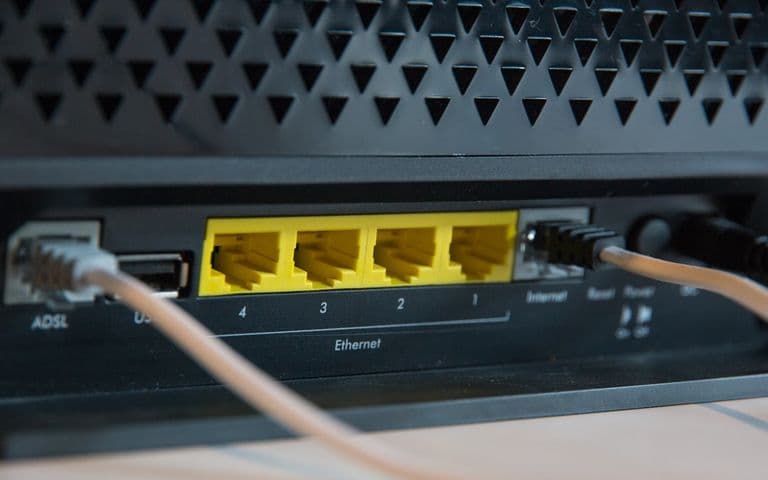
So before you pick a fight, run a speed test on a laptop plugged into the router with an ethernet cable, or failing that sat right next to it. Test a few times, on different days, and make sure at least one test lands between 8pm and 10pm. If the wired speed clears your guaranteed minimum but the far bedroom doesn't, the contract is being honoured and your money is better spent on a mesh kit than on a complaint.
If the wired speed comes in below the minimum, you have a claim.
Report the slow speed to your provider and say the words "minimum guaranteed speed". From that report, a signatory provider has 30 calendar days to get your speed back above the minimum. That is the deal they signed up to under Ofcom's right-to-exit rules. If they fix it inside the window, good, that is the system working. If they can't, you can walk out of the contract without paying a penny in early termination charges, however many months you have left on the term.
Since December 2022 that exit covers the rest of the bundle too. A landline on the same line, and any pay-TV you bought at the same time as the broadband, leaves with you, penalty-free. Before that update a failed broadband line could still leave the household tied into the TV contract. It can't any more. Bundle unwinding more generally, including what happens when you cancel one part of a package, has its own quirks, and the cancel-one-cancel-all trap covers them.
One thing worth saying plainly. The exit is a right, not a negotiating posture, so you don't need to accept a goodwill credit or a discounted slower package instead, unless one of those actually suits you. Plenty of households take the £5 off and stay put. If the speed was the reason you bought the package, the cleaner answer is usually to leave and buy a line that delivers it.
If your provider never signed the codes, the 30-day clock doesn't exist for you. You still have the ordinary routes: complain formally, give them six weeks, then take it to the ombudsman, whose decision binds the provider if you accept it.
The speed exit is one of a handful of legal ways out of a contract that isn't delivering, alongside the 14-day cooling-off period and the price-rise exit. The full menu lives in when you can leave without a fee, and the rest of your pricing and regulation rights sit alongside it. If your speed is fine and your bill is the problem, start with mid-contract price rises instead.
Not by law. Ofcom's speed Codes of Practice are voluntary, but the signatories cover around 95% of home broadband customers, and they must give you a minimum guaranteed download speed at sign-up. If your speed falls below it and isn't fixed within 30 days, you can leave penalty-free.
Report it and the 30-calendar-day clock starts. Your provider fixes it or you leave without early termination charges, taking bundled landline and pay-TV with you. Slow speed doesn't trigger automatic compensation, which only pays out for total loss of service, missed appointments and delayed starts.
No. The guarantee covers the speed reaching your router, not the wifi inside your home. Test with an ethernet cable before complaining. If the wired speed clears your minimum, the fix is router placement or a mesh system, not your provider.
There isn't one, because you are not Openreach's customer. Your contract, and your guaranteed minimum, sit with the provider selling you the service over the Openreach line, such as BT, Sky or TalkTalk. The figure is specific to your line and set when you ordered.
The pounds-and-pence rule for contracts from 17 January 2025, what it changed, what it left alone, and when a mid-contract price rise lets you walk away without a fee.