switching

Compare at your address
Drop in your postcode for the live shortlist, speeds, prices, and which providers actually reach your line.
Two houses on the same street switch broadband in the same week. At number 14 the wifi blinks for a few minutes on a Thursday morning and that is the entire event. At number 23 there is an engineer, a drill, a small box on the living room wall and a fortnight of waiting for the appointment. Same street, same reasons for leaving, completely different switch, and the difference has nothing to do with which provider either household chose.
It comes down to the wire under the pavement. If your new provider sells over the same network as your old one, the switch is a paperwork exercise. If it sells over a different one, somebody has to physically connect your home to a new network, and that changes the timeline, the kit and the things worth checking before you order.
To switch broadband providers, you only contact the new provider. Since 12 September 2024, One Touch Switch covers every switch, whatever the network, including Virgin Media and full-fibre altnets. Same-network switches are usually a quick line takeover. Cross-network switches need a new connection, which often means an engineer install.
So here is what number 14 knew that number 23 didn't. For the full start-to-finish process, timings and what to have ready, start with how to switch when your contract is up.
Most UK providers do not own the cable that enters your house. BT, Sky, TalkTalk, Plusnet, Vodafone, Zen and dozens of smaller names mostly sell over Openreach, the national network that grew out of the old phone system and is steadily being upgraded to full fibre. Virgin Media runs its own cable network, built entirely separately. Then there are the altnets, independent full-fibre builders like CityFibre, Hyperoptic and Community Fibre, each with their own wires in the areas they have built.

So the first question of any switch is not which provider but which network. Your current one is usually obvious from the kit. An Openreach service arrives through the phone socket or a small fibre box, Virgin arrives through its own cable and an altnet install will have left its own box and, in most cases, a sticker. The network behind your new deal is on the provider's website, usually in smaller print than the price. Two minutes of checking tells you which of the next two sections is about to be your week.
Move between two providers on the Openreach network, which is still the most common switch in the country, and nobody needs to visit your house. The new provider takes over the line you already have. Under Ofcom's rules the switch can happen in a single day where that is technically possible, and any break in service should not last longer than one working day.
The process is deliberately boring. You order from the new provider, hand over your details and they manage everything from there. Your old provider automatically sends you switching information setting out any early exit fees and what happens to linked services like your landline. You confirm, a date is set and a new router arrives in the post before the line has any idea it is changing hands.
One caveat. Same network does not always mean same line. If you are moving from an older copper-based service to full fibre, an engineer may still need to visit even though both providers use Openreach, because the fibre itself has to reach your home. The provider will tell you at the order stage. The day itself, brief blip included, is covered hour by hour in what happens on switch day.
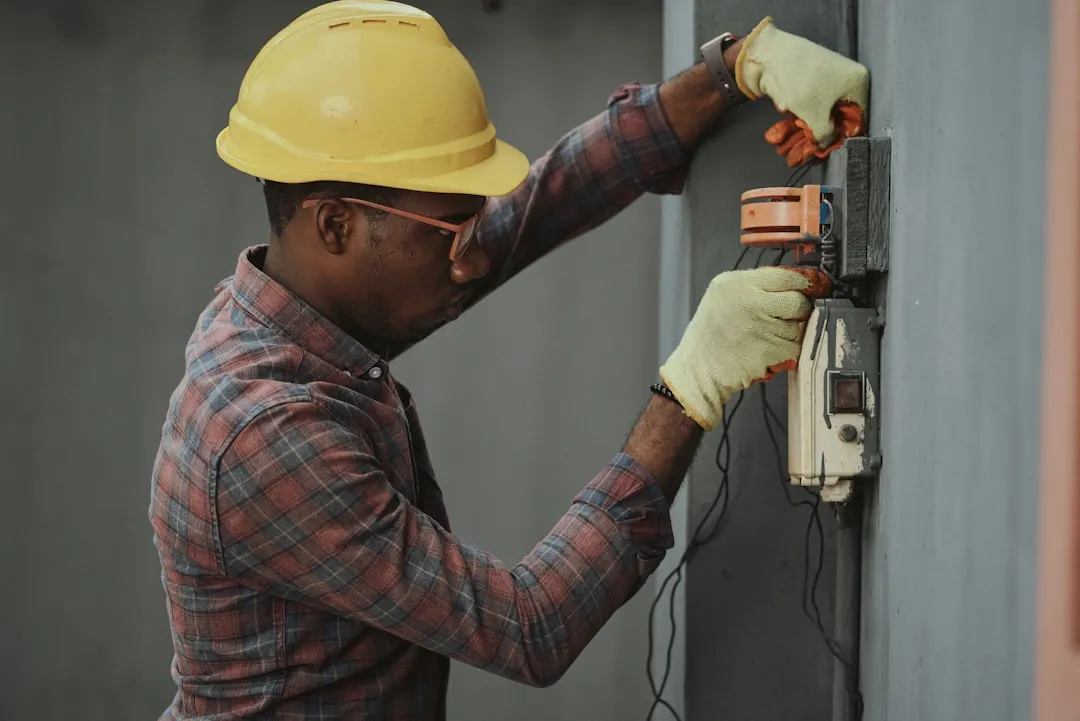
Now for number 23. Moving from Openreach to Virgin, from Virgin to an altnet or from an altnet back to Openreach means your home needs a working connection to a network it may never have touched. In most cases that is an engineer install: a new cable or fibre into the house, a new box on the wall and a new router. The appointment adds days or sometimes weeks to the timeline, and yes, the engineer will arrive in the last 45 minutes of the window. Plan around the appointment, not the order date.
The useful part is that the admin is now identical. Since 12 September 2024, One Touch Switch has covered switches between different networks as well as within them. Before then, anyone leaving a different network, Virgin being the famous example, had to contact their old provider as well and time the notice against the new install. Now the new provider manages the whole move, your old service is stopped for you on the agreed date and you cannot be charged notice-period fees beyond the switch date.
What One Touch Switch cannot do is hurry the physical work. The install happens at the network's pace, and the system simply lines your old service up to end once the new one is ready. If the promised activation date slips, that is a delayed start, and providers in Ofcom's automatic compensation scheme owe you £6.46 per calendar day of delay, paid as a bill credit without you having to ask.
Virgin is the cross-network case most households meet first, because its cable network runs alongside Openreach in much of the country and its introductory deals are priced to tempt people across the road.
Switching to Virgin is an install switch. Your home needs a connection to Virgin's network, so expect an engineer visit, unless the property has been connected before, in which case the setup can be simpler. Either way the order, the switch date and the shutdown of your old service all run through One Touch Switch. You still only deal with the new provider.
Switching away from Virgin used to be the industry's least loved phone call: a long queue, a retention script and a notice period to time precisely against your new connection going live. That is gone. Your new provider triggers the switch and Virgin sends you the switching information with any early exit fee spelled out. The Virgin service ends when the new one starts. Two things still deserve attention. Check that switching information carefully if you are still in contract, and check the kit-return rules when you leave, because returns policies and any non-return charges are set by each provider rather than by Ofcom.

Altnets are where the question gets slippery, because some are networks, some are providers and some are both, depending which street you're standing on.
CityFibre is a wholesale network, a sort of independent Openreach. It builds and owns the fibre, and providers such as Vodafone, TalkTalk and Zen sell services over it in many areas. That has a pleasant consequence. If your old and new providers both use CityFibre at your address, a switch that sounds cross-network turns out to be a number 14 day after all: a takeover on the fibre you already have, no drill, no appointment. If only one of them uses it, you are back to the engineer and the small box on the wall.
Hyperoptic is the opposite shape. It builds its own network and sells on it directly, mostly in blocks of flats and developments it has wired up, the kind of building where a branded plate by the lift has been quietly advertising the fact for years. If yours is one of them, getting connected tends to be quick, because the drilling was done when the whole building was wired in one go. Leaving Hyperoptic for a provider on Openreach or any other network is a full number 23 move, with the new connection going in before the old service stops.
Whoever the altnet is, the process holds. Ofcom says more than 300 providers have signed up to One Touch Switch, which is designed to work whichever wire is involved. If you are ordering from a very small or very new provider, ask them directly how they handle the switch before you commit. The good ones answer in one sentence; the evasive ones have just answered a different question.
A few rules hold for every shape of switch, and none of them depends on which wire you end up on.
One more for the still-in-contract household. Cross-network deals are often the tempting ones, but an early exit fee can eat the saving whole. The maths, and the legitimate fee-free exits, sit in switching when you're still in contract.
First, the landline number. If the household still uses one, tell the new provider you want to keep the number when you place the order, while the old line is still active. Moving a number is routine while the service is live and painful after it has closed.
Second, the email address. If yours ends in your old provider's name, find out what happens to it when you leave. Policies vary, and some providers close or charge for old addresses, so this is a question for before switch day rather than after.
Third, the paperwork at the end. Leaving across networks usually means a kit return, sometimes an exit fee and occasionally a refund for days you paid for but never used. The final bill deserves a proper read rather than a sigh, because billing past the switch date is rare but not yet extinct.
However your switch is shaped, it starts in the same place: a postcode, a better deal and one order with the new provider. The rest of our switching guides take it from there, from the day itself to the bill that follows.
You contact the new provider only. Pick a deal, place the order and they arrange the whole move through One Touch Switch, including stopping your old service on the switch date. Your old provider sends you switching information with any exit fees. Same-network switches can complete in a day, while cross-network switches add an engineer install to the timeline.
No, and you should not. Cancelling first risks a gap in service and can cost you your landline number. Under One Touch Switch the new provider ends the old service for you, and you cannot be charged for it beyond the switch date. The only time you cancel directly is when you are stopping broadband altogether.
The switching process itself is free. What can cost money is leaving mid-contract, where early exit fees are set out in the switching information your old provider must send, plus any setup fee on the new deal and any charge for unreturned kit. Out of contract, on a deal with no setup fee, the move costs nothing.
Not for long, and often not at all. The point of the process is that the old service stays on until the new connection is ready, and any loss of service during the switch should not last more than one working day. If it does, or your start date slips, compensation rules kick in and the new provider owes you money.
What your final broadband bill should show after switching: refunds for unused days, the router-return rules, and the charges worth challenging.